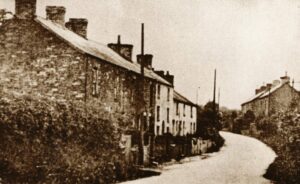
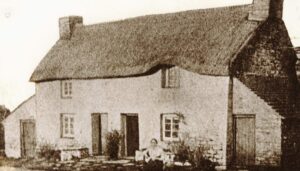
Once called “Pistyle Du”, it is believed that the hamlet became known as Pant-y-brad (the hollow of treason) after the capture of King Edward II, the first of the current line of Princes of Wales in 1327.
Edward succeeded his father, Edward I, to the throne in 1307. In 1308, he married Isabella of France, the daughter of King Philip IV in an effort to resolve the tensions between the English and French crowns.
Hugh Despenser the Younger, became close friends and advisers to Edward, but in 1321 Lancaster and many of the barons seized the Despensers’ lands and forced the King to exile them. In response, Edward led a short military campaign, capturing and executing Lancaster. Edward and the Despensers strengthened their grip on power, revoking the 1311 reforms, executing their enemies and confiscating estates. Opposition to the regime grew, and when
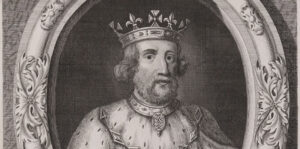
Isabella was sent to France to negotiate a peace treaty in 1325, she turned against Edward and refused to return.
Queen Isabella allied herself with the exiled Roger Mortimer, and invaded England with a small army in 1326. Edward’s regime collapsed and he fled into Wales, where he was captured in November.
It is said that the disastrous reign of Edward II came to an unofficial and humiliating end on 16 November 1326 when Edward II, guided by a Cistercian monk, went for refreshment to Penrhys, and when heading for safety Edward was intercepted at Pant-y-brad in Tonyrefail.
Edward was forced to relinquish his crown in January 1327 in favour of his fourteen-year-old son and he died in Berkeley Castle on 21 September, probably murdered on the orders of the new regime.
This project was made possible by the National Lottery Heritage Fund, Cadw and the Welsh Government.
All images reproduced by kind permission of Rhondda-Cynon-Taf Libraries.